AI-Powered
 How To Fill Concrete Slab Voids
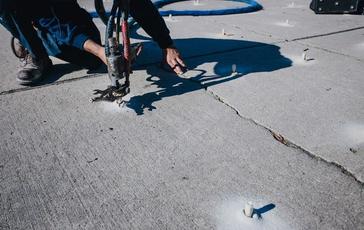
Voids beneath concrete slabs, whether under sidewalks, driveways, or pool decks, are more common than many homeowners realize. These hidden gaps often lead to cracks, sinking, and uneven surfaces, posing safety risks around your home. Most often, the culprit is unstable or eroded soil beneath the slab; however, the full story involves a few additional factors.
In this article, you’ll learn what causes these voids, the professional concrete repair methods that fill them, and how to prevent future damage to protect your property.
What Causes Concrete Slab Voids?
Concrete slab voids form for various reasons, including:
- Soil Erosion: When too much water comes into contact with a concrete slab, soil erosion can occur, resulting in voids. Drainage problems and leaky plumbing are two primary causes of soil erosion.
- Soil Settlement: Soil must be properly compacted before installing concrete. Otherwise, the soil may compress unevenly, resulting in slab voids.
- Freeze-Thaw Cycles: Sudden changes in temperature cause freeze-thaw cycles that increase soil erosion risks and slab void formation.
- Gutters and Downspouts: Ineffective gutters and short downspouts may fail to direct water away from concrete slabs, contributing to soil erosion and voids.
- Drought: Expansive clay soil shrinks in dry weather, often leading to the formation of voids.
- Hydrostatic Pressure: When water under a concrete slab fails to drain correctly, hydrostatic pressure can build up, causing slab cracks and uneven areas.
- Poor Maintenance: Improperly maintained concrete slabs can cause deterioration over time, increasing the risk of concrete voids.
- Pests and Rodents: Rabbits, squirrels, termites, and other creatures burrow under slabs and also cause void formation.
How To Fill a Void In a Concrete Slab
Concrete lifting experts, such as Groundworks, fill voids beneath concrete slabs in two ways: using polyurethane foam and mudjacking. Here’s more detail:
What Does Polyurethane Do To Concrete?
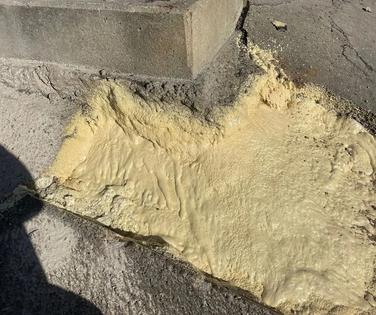
PolyRenewal concrete lifting solution involves drilling holes into the concrete slab and injecting polyurethane foam beneath it. The foam lifts the slab, fills voids, and can potentially restore it to its original position.
Unlike mudjacking, polyurethane foam is lightweight, resistant to shrinkage, and less likely to erode or settle over time. It also cures within minutes, allowing you to use your concrete surfaces almost immediately after the repair.
What Does Mudjacking Do?
Mudjacking is an outdated repair method for lifting concrete that some contractors still use today. It involves drilling larger holes in concrete and injecting a slurry mix of cement, sand, and water through the holes and into the slab.
While mudjacking is generally less expensive upfront than polyurethane foam injection, it has several limitations. The slurry is heavier and takes longer to cure, often requiring up to 24 to 72 hours before the slab can support weight. In some cases, it may take up to three weeks for the mixture to fully cure. This delay limits access and use of the repaired area compared to polyurethane foam, which cures within minutes.
What Are the Other Methods of Repairing Concrete?
Alternative repair methods include full and partial slab replacement. Let’s look at the specifics.
What is a Partial Slab Replacement?
Partial slab replacement involves removing one or more slab sections to access the voids within the slab. The voids are then filled with a concrete and sand mix before new slab sections are poured.
What is the Full Replacement Concrete Method?
Full slab replacement is typically recommended when concrete damage is severe or widespread. While this option is more expensive and time-consuming than slab lifting methods, it may be necessary in cases where the structural integrity of the slab cannot be restored. Newly poured concrete requires up to 28 days to fully cure, during which the area remains unusable.
How to Prevent Concrete Deterioration

After repairing or replacing a concrete slab, you can prevent future problems by ensuring that proper drainage measures are in place beneath and around the slab. For example, channel water away from the slab by cleaning gutters, installing longer downspouts, regrading your yard, or installing a French drain to prevent water from pooling around the slab foundation.
Voids beneath concrete slabs, like sidewalks, driveways, pool decks, or patios, can lead to cracking, sinking, and uneven surfaces. Fortunately, these voids can often be filled quickly and effectively using polyurethane foam injection, with most repairs completed in just a few hours.
If you’re dealing with a cracked or uneven slab, addressing the underlying issues is vital to restoring safety and preventing further damage.
Contact Groundworks for Concrete Slab Lifting and Repair

Voids under concrete slabs can lead to serious issues, but they don’t have to. Groundworks provides expert concrete lifting solutions tailored to your home’s needs. Our PolyRenewal™ polyurethane foam injection quickly fills voids, levels uneven slabs, and allows for same-day use, helping restore safety and appearance without the hassle of full replacement.
Contact us today to schedule a free inspection and learn how to safeguard your property for the long term.
Concrete Slab Lifting FAQs
Polyurethane injection is fast, non-invasive, and capable of supporting heavy loads, making it perfect for industrial and commercial needs.
It’s fast, strengthens the soil base, minimizes downtime, and eliminates the need for costly excavation.
It’s a no-excavation, fast-installation solution that levels floors efficiently and cost-effectively.