AI-Powered
 The Philadelphia Guide to Basement Waterproofing
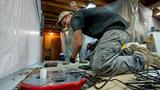
No matter how you use your basement, it’s crucial to know what is happening in this space. Your home’s foundation includes your basement, which is why it’s so important to have one that is sturdy and dry in order to provide your family with a secure living space.
Basement construction throughout Philadelphia is an interesting mix. Some homes have stone foundations, others have basements that are fully or partially below grade, and some are split-level houses with a walk-out or daylight basement.
This comprehensive guide covers everything you need to know about basement waterproofing, including what it is, why you need it, and what’s most effective.
- What Is Basement Waterproofing?
- What Are Common Signs of Basement Water Problems?
- What Causes Basement Moisture in Philadelphia?
- Why is Basement Waterproofing Important?
- How Do You Waterproof a Basement?
- Why Should I Hire a Professional?
- Trust Groundworks for Basement Waterproofing Needs
- Call Groundworks for a Free Estimate!
What Is Basement Waterproofing?
Waterproofing basement areas with water intrusion is essential to prevent leaks that damage structural supports or personal belongings.
Many Philadelphia homeowners try DIY home waterproofing, including adding exterior solutions, applying wall sealants, or installing store-bought sump pumps. These products might address immediate water issues, but they are temporary and do not fix the root of the problem.
No one-size-fits-all solution exists for creating a waterproof basement; the most effective methods are customized to fit your home’s unique needs.
What Are Common Signs of Basement Water Problems?
Before exploring how to waterproof a basement, it’s important to recognize the warning signs of water issues that are particularly common in Philadelphia homes.
Early Warning Signs
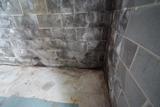
Serious Water Issues
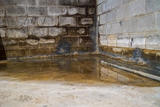
Spotting these issues can be frightening and tempting to delay their repair. However, ignoring moisture problems can lead to worsening damage, so it’s best to address them quickly with home waterproofing solutions.
What Causes Basement Moisture in Philadelphia?
Several factors contribute to wet basements in Philadelphia, including:
Clay-Based Soil Challenges
The region’s clay soils retain water and expand, creating significant pressure against foundation walls. During dry periods, these soils contract, potentially causing foundation shifting and new entry points for water.
Climate Factors
Philadelphia’s humid climate brings:
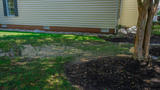
- Freezing winters that can cause ground heaving
- Spring thaws that saturate the soil with melting snow
- Humid summers with heavy thunderstorms
- Fall rains that can oversaturate the ground before winter freezing
These extreme seasonal variations create a perfect storm for basement water issues.
Aging Housing Stock
Many homes in Philadelphia and surrounding communities were built before modern waterproofing techniques. These older homes often have:
- Stone foundations with deteriorating mortar
- Aging clay tile drain systems
- Inadequate or failing waterproofing systems
- Foundations that have shifted or settled over decades
All these factors make having a waterproof basement in Philadelphia both challenging and essential for home protection.
Why is Basement Waterproofing Important?
Here are just a few advantages of basement waterproofing.

Improves Health and Quality of Life
Mold can be toxic and detrimental to the health of your loved ones, causing new or worsened allergies, asthma, and other respiratory problems.
Mold likes to grow and thrive in damp environments. However, by removing moisture with water management and dehumidification, you reduce the likelihood that mold will grow. The overall air quality will also be enhanced.
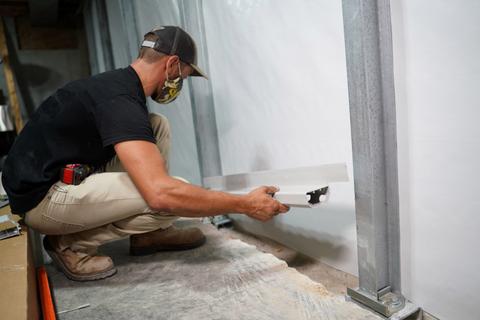
Boosts Structural Stability
The structural integrity of your house is also impacted by water leaks.
If there is nowhere for water to go, it begins to accumulate inside the walls. Because of hydrostatic pressure, your walls and floor are left in a dangerous mess.
Waterproofing your basement safeguards your home’s foundation and enhances its longevity.

Increases Energy Efficiency
Basements are often cold and damp, and water infiltration can cause the temperature to drop further. This makes your above floors feel cold and causes your heat to run more often to maintain a comfortable temperature. In the summer, high temperatures and humidity levels make the air conditioner work harder and use more energy.
Your electric bills may soar as a result. To combat these expenses and give your HVAC a break, invest in dependable waterproofing solutions that protect your property and your wallet.

Protects and Enhances Property Value
When you waterproof your home, you protect its health and value today and for the future. Plus, buyers are going to be more drawn to a clean and dry home as opposed to a house with leaks and mold.
Additionally, Pennsylvania homeowners must complete the Seller’s Property Disclosure Statement and be upfront about any known problems. This includes a checklist of items that must be disclosed, like any previous or present water leakage and moisture management.
How Do You Waterproof a Basement?
There are numerous ways to keep water out of your home, but a comprehensive basement waterproofing system should have the following components.
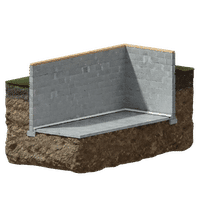
Interior Drainage
To intercept leaking water from the walls, floor, and cove joint, specially designed interior drainage, like the BasementGutter™ system you can see here, should be placed just underneath the basement’s floor and on top of the footing. Any water collected by this system will drain into a sump pump.
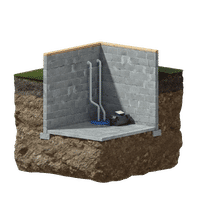
Sump Pump
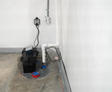
A sump pump should be placed in the lowest point in the basement to accept water from the interior drains. When the water reaches a certain level in the sump basin, a float switch activates to turn the pump system on.
Water is then pumped up and out of the basement and far enough away from the home’s foundation via discharge lines.
You can also add a backup battery that keeps the pump operational during power outages.
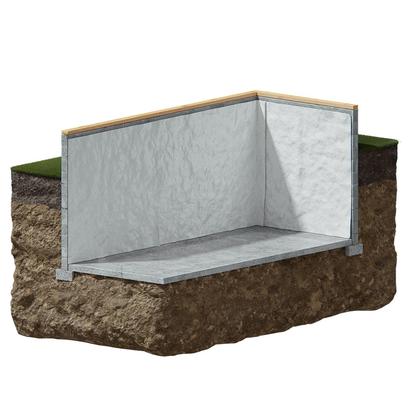
Wall Vapor Barrier
Along with preventing water from reaching other parts of your basement, it’s also helpful to tackle water vapor intrusion.
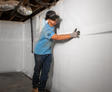
This involves placing a thick and durable vapor barrier liner on the walls. This liner, like the one pictured here, should be waterproof to avoid mold growth, as well as compatible with the interior perimeter drains. That way, any water that leaks through the walls runs down behind the liner and into the drainage system.
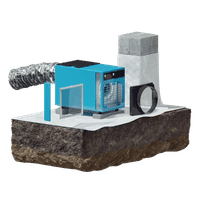
Dehumidifier
It’s also important to condition the air in your house and eliminate excess moisture with a dehumidifier.
Most conventional dehumidifiers are no match for large basements, so consider investing in a professionally engineered unit. This system should be powerful but energy efficient. Also, look for a system that controls humidity and cleans and purifies the air.
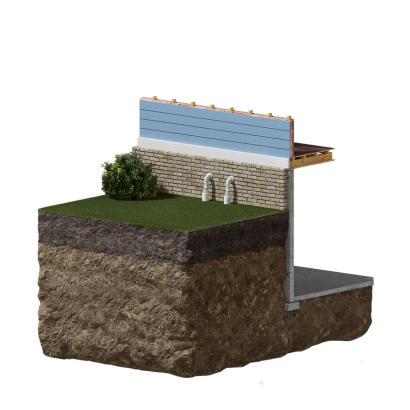
Anti-freeze Exterior Discharge Line Attachment
If you are concerned about the exterior sump pump discharge line clogging or freezing, you can attach an outlet like the FreezeGuard™ to the line for added protection and peace of mind.
Why Should I Hire a Professional?
Waterproofing your basement is not always as easy as it seems. There are a lot of factors to consider, including time, materials, safety, permits, and cost.
This is a task you shouldn’t have to tackle alone. Instead, place your trust in local basement waterproofing professionals, such as Groundworks, serving Philadelphia. You and your home can benefit from these seasoned experts’ knowledge and experience, as well as:
- Commitment to quality service and installation
- Safe and efficient installation
- Warranty-backed products
- Service and maintenance plans
Trust Groundworks for Basement Waterproofing Needs

Whether your basement is a frequently used space or not, it’s not an area of your home you should consider “out of sight, out of mind.” It should be free of moisture, but if there is a water problem, it needs to be repaired the right way the first time by trained professionals.
Homeowners throughout Philadelphia know they can count on Groundworks for reliable permanent solutions and unmatched customer care. We look forward to helping you, too! It only takes a few minutes to get started. Simply call us or fill out our online form to schedule a free inspection and estimate.
Basement Waterproofing FAQs
Many DIY solutions available at big box stores are quick fixes that are only temporary. These repairs would require continuous purchasing and application. However, professional repairs are usually guaranteed for the life of the structure.
Waterproofing your basement once so you’ll never have to worry about it is definitely worth the investment. You can’t put a price on your peace of mind.
Exterior waterproofing solutions like damp proofing for the walls and footing drains are available, but their exposure to the elements can render them ineffective over time. The damp proofing can wear away, and the buried drains can be crushed or clogged.
Related Resources
Call Groundworks for a Free Estimate!
Our friendly and knowledgeable staff at Groundworks is pleased to serve homeowners in the tri-state area, including:
Don’t See Your Area? Check Here.