AI-Powered
 Basement Water Damage in Pittsburgh: Hidden Dangers Every Homeowner Should Know
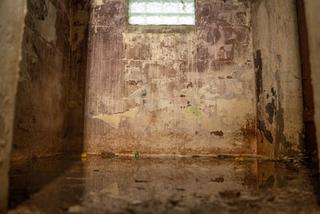
Pittsburgh is known as the “Steel City,” but it could also be unofficially referred to as “Water World” because of all the bodies of water in the metro area and their negative effects, such as water damage in Pittsburgh.
Wet basements and flooding have become an almost expected nuisance. These problems are all too common, but they are not normal conditions homeowners must endure. Waterproofing a basement in Pittsburgh is crucial to maintaining a safe and healthy living environment, not only for yourself but also for your loved ones.
Understanding why your home leaks and what to look for is the key to choosing the proper basement waterproofing solutions and protecting what matters most.
- Why Is Basement Flooding Common Around Pittsburgh?
- What Are Signs of Water Damage in Pittsburgh?
- What Are the Effects of Water Damage in Pittsburgh?
- What Can I Do To Check For and Prevent Water Damage?
- How Do I Install Waterproofing Inside a Pittsburgh Basement?
- Trust Groundworks for Lasting Basement Waterproofing
Why Is Basement Flooding Common Around Pittsburgh?
From old homes to several bodies of water, it’s no wonder Pittsburgh homeowners find their basements under water.
Do you dread seeing rain in the forecast because you have a gut feeling you’re going to end up with water in your basement? Or have you come to accept it’s a way of life because you live in the Pittsburgh metro area? That doesn’t have to be the case, and it shouldn’t be.
We understand your frustration with a waterlogged basement. It’s natural to question why this is a prevalent problem in our area. Water damage in Pittsburgh occurs due to many factors, including:
Aging History
Pittsburgh is an old city, founded in 1758. That means infrastructure, including stormwater and sewer management, is old, too. Many basements flood due to water and sewer backups, leading to significant damage, cleanup, and repair costs.
Many older 18th and 19th-century homes have fieldstone foundations that are more susceptible to water intrusion.
Three Rivers
The “Steel City” and “The ‘Burgh” is also nicknamed “Three Rivers,” appropriately because it is the confluence of the Allegheny, Monongahela, and Ohio rivers.
Other communities throughout the metro area are situated along waterways, including creeks, streams, and tributaries.
Soil Types
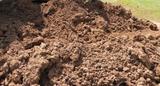
Cities throughout Pennsylvania, including Pittsburgh, were built on an array of different soils, ranging from silt loam and silty clay loam to expansive clay and limestone, and everything in between. Each presents different challenges, but all are susceptible to instability due to fluctuating moisture levels, improper preparation, and other factors. Some areas of Pittsburgh also suffer from toxic soil.
Climate and Precipitation
Metro Pittsburgh has a humid continental climate with cold, snowy winters and warm, humid summers. It’s also a rainy city, experiencing an average of almost 35 inches of annual rainfall.
This runoff saturates the soil and floods waterways. Winter ice jams also contribute to flooding concerns.
What Are Signs of Water Damage in Pittsburgh?
Now that you know the “why” behind your wet basement, let’s explore how you know there’s a problem. Watch for these symptoms:
Early Signs of Moisture Problems
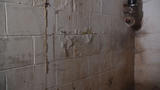
More Advanced Water Issues

Noticing these symptoms can feel overwhelming, and it’s easy to put off repairs. But waterproofing a basement in Pittsburgh early with professional solutions can prevent more severe and expensive damage.
What Are the Effects of Water Damage in Pittsburgh?
These problem signs can appear minor at first and then take a turn for the worse, leading to significant damage such as mold and structural weakness. Early intervention, once you spot these signs, is crucial to protect your home and family for several reasons.
One of the biggest unseen risks of basement flooding in Pittsburgh is mold growth. Mold needs water, humidity, and food (organic material) to grow, and it can develop within 24 to 48 hours after significant water intrusion or flooding. Airborne spores allow it to spread and affect individuals with mold sensitivity and existing health issues, worsening conditions, including asthma and allergies.
Along with water-damaged belongings, structural components will rot, rust, corrode, and weaken due to prolonged moisture exposure. This compromises your home’s structural integrity and safety.
The longer moisture issues go unrepaired, the more expensive they become to fix. Your home’s value can also decrease, making it difficult to sell.
The bottom line: Fix water damage in Pittsburgh as soon as you notice it.
What Can I Do To Check For and Prevent Water Damage?
Along with looking for common symptoms, there are other preventative steps and self-checks you can do around your property, including:
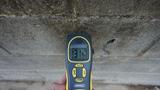
Remember that a self-inspection is helpful, but DIY basement sealing and waterproofing is a temporary, quick fix. Many big-box store repairs, including exterior options, fail to address the cause of the problem. Waterproofing a basement in Pittsburgh is more effective with professionally installed solutions tailored to your home’s needs.
How Do I Install Waterproofing Inside a Pittsburgh Basement?
With many years of experience with safeguarding homes throughout Pittsburgh, our team at Groundworks understands that every home is different. The secret to a safe and dry home is customized interior basement waterproofing solutions.
After a free inspection by one of our experts, we may recommend the following basement sealing and waterproofing systems for your home:
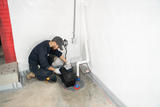
- Interior Drainage: Installed beneath the floor, these systems capture groundwater before it enters your basement.
- Sump Pumps: Available with various pumping configurations, including battery backups, these pumps efficiently remove water collected from your drainage system.
- Wall Vapor Barriers: These protective liners block moisture from seeping through basement walls, contributing to a drier, more waterproof environment.
- Dehumidifiers: High-efficiency units regulate humidity and filter the air, improving indoor air quality and creating a healthier space.
Trust Groundworks for Lasting Basement Waterproofing
A dry basement isn’t just nice to have, it’s essential. Don’t wait for severe water damage in Pittsburgh to develop. If you notice signs of water intrusion, it’s important to act right away. True basement waterproofing involves a full-system solution, not just a quick fix or single product.
For long-term protection against moisture and flooding, your best bet is a professional evaluation from Groundworks and a customized plan tailored to your home’s specific needs. Pittsburgh homeowners rely on us for reliable service, proven results, and healthier homes. Contact us today to schedule a free inspection and estimate.
Basement Waterproofing FAQs
Basements commonly experience water intrusion after heavy rain, but it shouldn’t be accepted as normal. Persistent water issues are best addressed with professional water management solutions to keep your basement dry and your home safe.
Waterproofing your basement once so you’ll never have to worry about it is definitely worth the investment. You can’t put a price on your peace of mind.
There are some things you can do to stop the problem from snowballing, including removing standing water from the basement and trying to control the humidity. Doing this will help control the situation and the damage dampness can cause. Nonetheless, it is important to contact a basement waterproofing professional to assess the situation because of the way it can undermine the structural integrity of your home.
Related Resources