AI-Powered
 Why Are My Floors So Cold in the Winter?

Cold floors over crawl space are one of the most common and annoying problems caused by an untreated crawl space.
Cold floors may not be as dramatic as mold or standing water, but it’s the issue you feel every single day when temperatures start to drop. And the reason it happens has everything to do with how your home is built.
Get a Free Estimate as soon as tomorrow!
How Your Home’s Floor Is Built
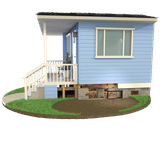
To understand cold floors over crawl space, it helps to picture what’s underneath your feet, step by step.
Here’s the simplest breakdown:
- The crawl space foundation is built: Concrete or block walls form the crawl space. This is the hollow, unconditioned space under your home.
- The sill plate is placed on top of the foundation: This treated board is the “buffer” between the concrete walls and the wooden framing of your house.
- The rim joist sits vertically on top of the sill plate: This board wraps around the entire perimeter of your crawl space.
- Floor joists stretch across the crawl space: Long joists run from one side of the house to the other, resting on the rim joist on both ends. They’re spaced about 16 inches apart and create the structure that holds up your floor.
- A subfloor is installed on top of the joists: Typically, a thin sheet of plywood or OSB is the layer right under your finished floor.
- Your finished flooring is installed on top: Tile, hardwood, laminate, or carpet sits directly on that thin subfloor.
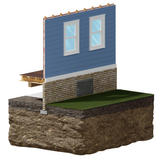
There are only two very thin layers, subfloor and flooring, between you and the cold air beneath your home.
No wonder the floors feel freezing in winter.
The crawl space is unsealed and often full of cold outdoor air. That cold transfers right into your floors.
How Crawl Space Vents Make Floors Colder

Crawl space vents are a major factor in experiencing cold floors over a crawl space. Even if you close the vents for winter, cold outdoor air is still pulled inside through gaps, cracks, and the vent openings themselves. The crawl space naturally acts like a vacuum, drawing in outside air as the warm air inside your home rises.
That means cold temperatures settle directly beneath your floor system, around the joists and subfloor, which quickly leads to cold floors throughout your home. And because only a thin layer of plywood and flooring separates you from the crawl space, that chill moves upward fast.
Understanding cold floors is an important step in learning how to fix cold floors.
Why Insulation Alone Doesn’t Solve Cold Floors

Adding insulation sounds like the obvious fix for cold floors over a crawl space, but insulation only treats one piece of the problem.
Fiberglass between the joists doesn’t stop cold air from filling the crawl space and chilling the floor structure from below. That cold still wraps around the joists, rim beams, and subfloor, leaving you with cold floors even when insulation is in place.
Insulation also can’t stop moisture, so insulation often gets damp, sags, or falls out.
To truly warm your floors, you need to improve the conditions under them by sealing and conditioning the crawl space.
How to Fix Cold Floors
When you’re dealing with cold floors over a crawl space, the real solution isn’t extra socks; it’s fixing the environment underneath your home. That’s where encapsulation comes in.
Encapsulation turns your crawl space from an exposed, outdoor space into a controlled, indoor-like space. When the air under your home is stable in temperature, your floors stay warmer, and your whole home feels more comfortable. As a bonus, your HVAC system doesn’t have to work as hard, lowering your energy bills up to 20 percent.
Here’s how a professional encapsulation typically works, step by step:
Inspect and Identify Moisture Sources
Your inspector looks for drainage issues, plumbing leaks, high humidity, and air leaks. Fixing cold floors starts with stopping outside air and moisture.

Address Water and Drainage First
If needed, the crew installs crawl space drains, drainage matting, and a sump pump to keep water out.
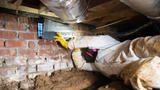
Seal Vents and Exterior Openings
All vents, cracks, and gaps are sealed so cold outdoor air can’t circulate beneath your floors.
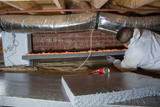
Insulate the Crawl Space Walls Fallen or damaged fiberglass insulation is removed. Wall insulation helps bring the crawl space closer to your home’s temperature, which dramatically reduces heat loss through your floors.
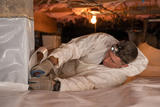
Install a Heavy-Duty Vapor Barrier
A thick, durable vapor barrier is laid across the crawl space floor and sealed at seams, walls, and piers. This blocks moisture and creates a protected space.
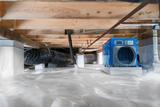
Condition the Air With a Dehumidifier
A crawl space dehumidifier keeps humidity in a healthy range. Drier air is easier to heat and cool, making your home more efficient.
When all these steps come together, you’re not only warming your floors, you’re improving your home’s comfort and efficiency. That’s how to fix cold floors permanently.
Groundworks Can Put an End to Cold Floors for Good
Cold floors may seem benign, but they’re a daily nuisance and a sign that your crawl space needs attention.
Many homeowners simply live with chilly floors for years, assuming it’s “just how the house is,” but it doesn’t have to be that way.
Groundworks can seal and encapsulate your crawl space, stopping the cold and creating a comfortable home from the ground up. Our experts understand the frustration of cold floors and the bigger issues they point to, and we’re here with long-term solutions that bring warmth back to your floors and peace of mind back to your winter.
Schedule a free inspection today.
Cold Floors FAQs
Probably not. Cold floors usually mean your crawl space is unsealed or under-insulated, not that your HVAC is failing.
Tile conducts temperature more quickly than other flooring materials, making any cold coming from the crawl space feel more intense.
They can. Crawl space vents allow cold air to circulate under the entire footprint of the home, causing cold floors throughout, not just in one area.
Resources